If you trace the creator economy back far enough, you will keep arriving at women doing work the world was not yet prepared to value economically.
Not in the polished language of personal branding, audience funnels, or creator monetization. Earlier than that, when the work still looked informal from the outside: a blog updated at midnight after the kids were asleep, a YouTube tutorial filmed in a hot pink zebra-striped bedroom, and an Instagram account that read like self-expression but functioned like unpaid copywriting and community management at once.
The history of women in the creator economy is often told as if the internet simply opened a door. It did, but that is only part of it. Women had already been building trust, shaping taste, translating expertise, and making culture feel personal. The internet did not invent that labour. It scaled it, tracked it, and made it easier to monetize.
Throughout economic history, the systems that determined what counted as serious work were built around hierarchy, formality, uninterrupted career paths, and access to institutions that rarely accommodated women. They rewarded people who could give themselves over fully to work without the friction of caregiving, domestic labour, career gaps, or the social penalties women often face when ambition becomes too visible.
The creator economy disrupted that model. Not because it lived online, but because it rewarded forms of labour traditional industries had long minimized: communication, curation, community-building, and lived experience. Skills that women were often expected to perform naturally and for free could now become the basis of a business.
That pattern was visible early. Women built massive readerships through blogging, often in categories dismissed as soft: beauty, fashion, wellness, and motherhood. But “soft” was always a misread. These spaces shaped how people shopped, cared for themselves, and understood their own lives. They influenced consumer behaviour and cultural language in real time, even when mainstream business culture refused to take them seriously.
Then the platforms changed, but the logic stayed the same. YouTube turned tutorials and personality into repeat attention. Instagram turned taste into influence. TikTok compressed expertise, commentary, and intimacy into one feed. Across each platform, women kept doing something the traditional economy had underestimated: turning perspective into trust, and trust into economic value.
That shift mattered because it changed how authority could be built. In traditional media and business, authority was usually granted from above through titles, institutions, and gatekeepers. In the creator economy, authority could be built directly with an audience. A woman no longer needed institutional permission to become credible if she could offer something people returned for: clarity, taste, usefulness, or insight.
That does not mean the system became fair. Monetization is not liberation. Platform capitalism did not simply recognize feminine-coded labour; it also extracted from it, measured it, and demanded constant visibility in return. Women creators still face underpayment, harassment, aesthetic policing, algorithmic volatility, and pressure to package authenticity into something legible to brands. Those pressures are often sharper for women whose race, sexuality, class, disability, or other intersecting identities make online visibility more precarious.
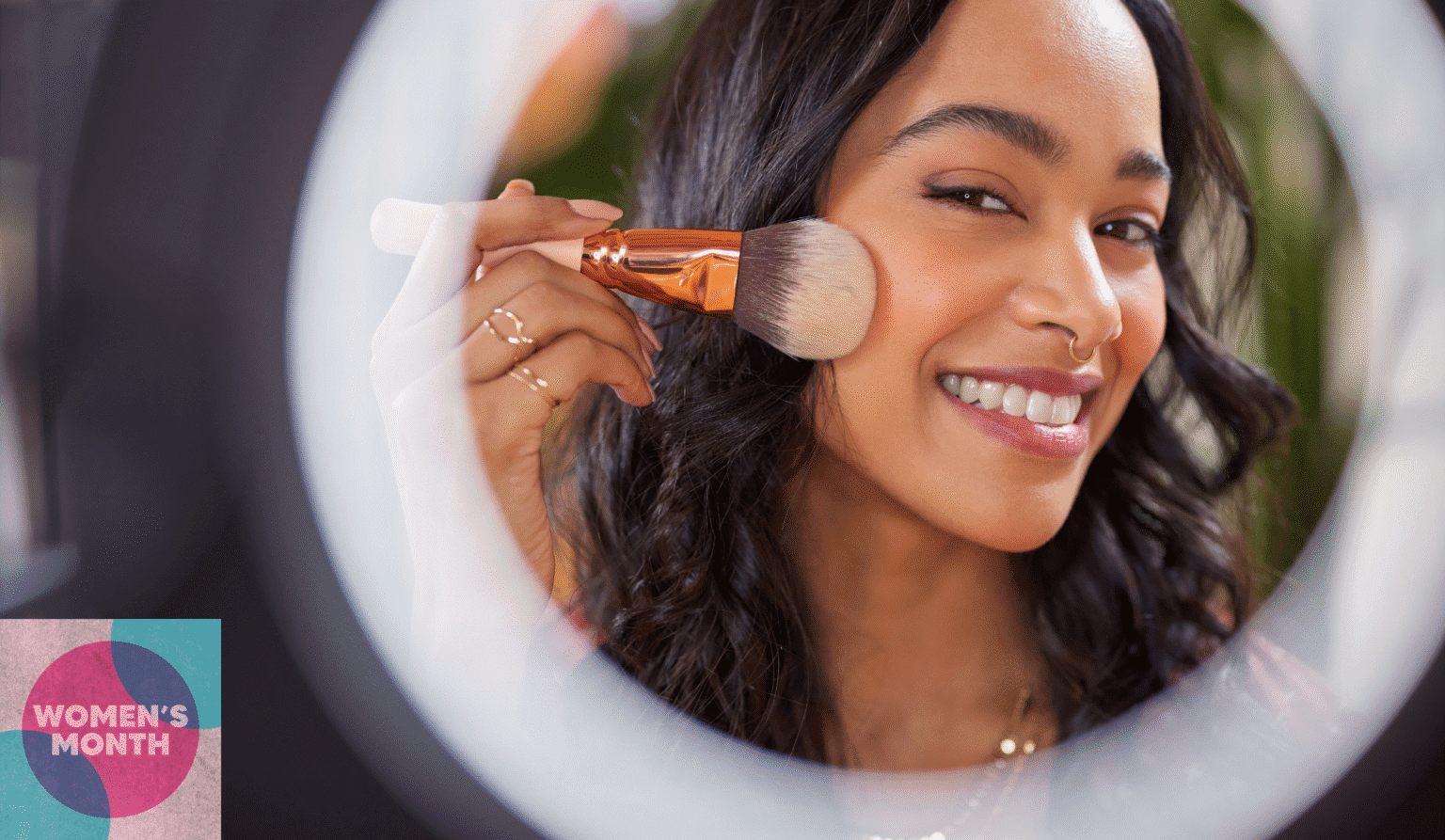
Still, the shift is real. The creator economy opened income pathways that traditional employment often failed to offer: for caregivers, stay-at-home mothers, women re-entering the workforce, and women pushed out of rigid office cultures. The financial educator turning lived experience into practical guidance, the beauty expert turning experimentation into expertise, the fashion creator turning aesthetic instinct into commercial value. These were not side stories. They were central to how the creator economy took shape.
Much of what is now celebrated as entrepreneurial innovation was once dismissed, when women did it, as ordinary feminine labour: taste, care, social awareness, storytelling, and the ability to make someone feel understood. The creator economy did not magically transform those into valuable skills. It exposed that they already were.
What women built online was never just content. It was infrastructure: attention, trust, audience loyalty, and communities that could move with them from one platform to another. Followers fluctuate. Platforms decline. Algorithms turn hostile. Trust is what remains. That is what turns viewers into customers, readers into subscribers, comment sections into communities, and visibility into leverage.
The history of women in the creator economy is not just about women joining a new industry. It is the story of women turning work that had been overlooked, underpaid, or reduced to something superficial into authorship, income, and power. The internet did not create that instinct. It just made it harder to ignore.